
No more winters.
No shoveling, no salt on the car, no gray months. Average winter highs on the Treasure Coast are in the 70s.
Last updated: October 2026
Most Ohioans who move here aren't chasing a cheaper house. Ohio homes usually cost less than homes on the Treasure Coast. People come for the winters, the water, no state income tax on retirement income, and a homestead tax system that rewards staying put. The tradeoffs are higher home prices, higher insurance, and hurricane season.
No shoveling, no salt on the car, no gray months. Average winter highs on the Treasure Coast are in the 70s.
Florida has no state income tax. Ohio taxes pensions and IRA withdrawals at up to 2.75%.
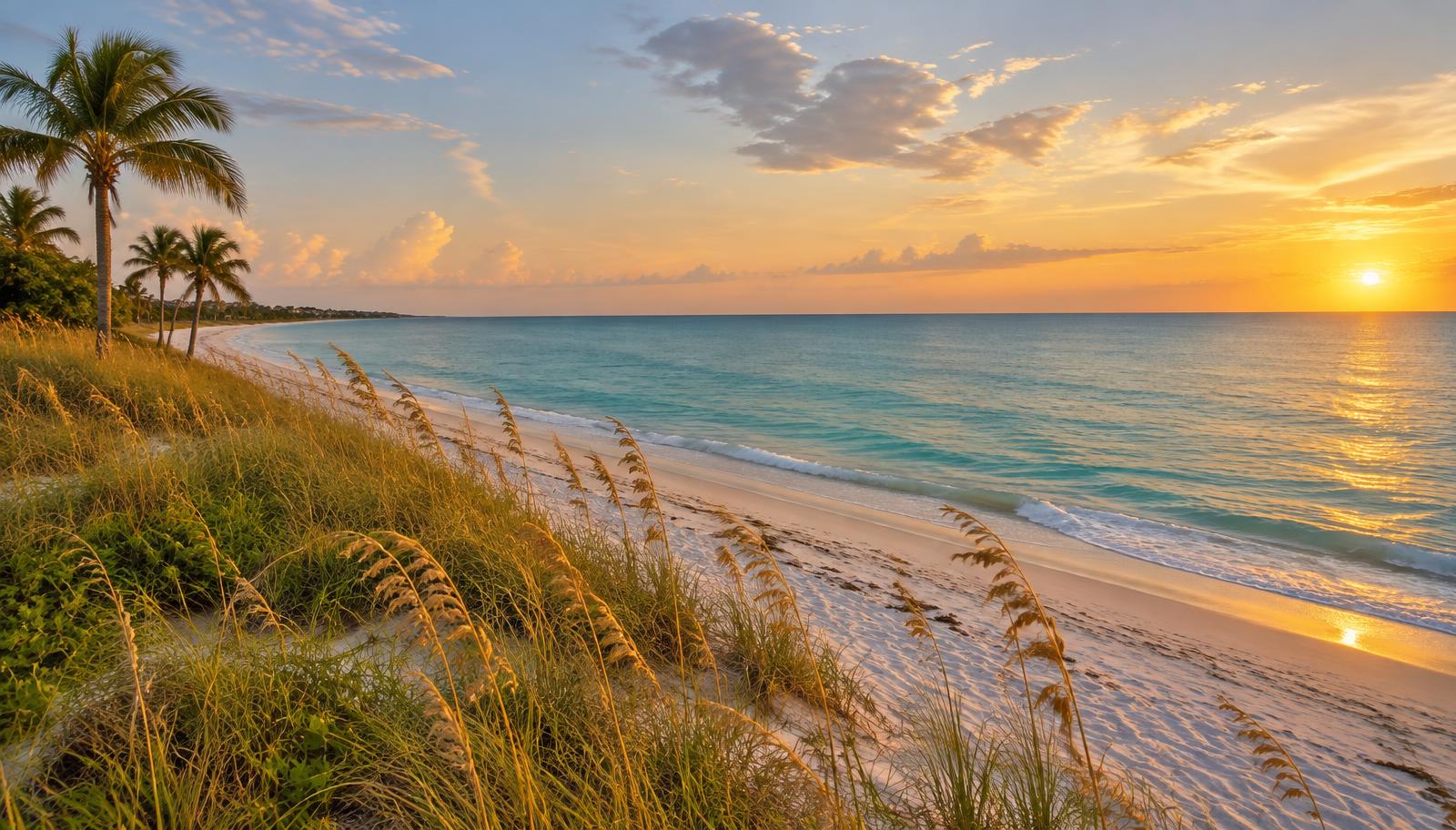
Beaches, the Indian River Lagoon, and boating, fishing, and golf all year long.
Many Ohio cities tax wages on top of the state, often 2% to 2.5%. Florida cities don't.
Most Ohio buyers pay more for a home here than what they sell for back home. Many still come out ahead once they add up taxes over time, but go in with clear eyes. Fort Pierce and Sebastian are where Ohio budgets usually stretch the furthest. Treasure Coast figures are September 2026 single-family medians from Florida Realtors SunStats.
| Ohio | Florida | |
|---|---|---|
| State income tax | Flat 2.75% on income over $26,050 (2026) | None |
| City income tax | Common, often 2% to 2.5% of wages | None |
| Tax on pensions and IRA withdrawals | Yes, at the state rate | None |
| Estate tax | None | None |
| Property tax | Statewide average around 1.36% of home value | Varies by city. Homestead exemption up to $51,411 (2026) plus a 3% annual cap on assessed value |
A working couple earning $100,000 in Columbus pays roughly $2,400 in Ohio state income tax and about $2,500 in Columbus city tax. That's about $4,900 a year. In Florida: $0.
A retiree with a $60,000 pension pays about $1,270 a year in Ohio state income tax. In Florida: $0.
Estimates only. We're Realtors, not tax advisors. Talk to a CPA before you plan your move.
In Florida, your primary home gets a homestead exemption, and Save Our Homes limits how fast its taxable value can rise to 3% a year or inflation, whichever is lower. The longer you stay, the more that cap saves you.
One catch: the cap resets when a home sells, so the seller's tax bill won't be yours. We estimate taxes based on your purchase price, not the current bill.
[Pete: add a real example, estimated yearly taxes on a $400,000 homesteaded home in Port St. Lucie]
On November 3, 2026, Florida voters decide Amendment 3, which would raise the homestead exemption on most non-school property taxes. Under the proposal, people who become Florida residents after 2026 would wait five years for the larger exemption.
[UPDATE AFTER NOV 3: replace this section with the result and what it means for buyers moving from Ohio.]
There are no nonstop flights from Ohio to Vero Beach yet. Your best options:
Orlando International (about 1.5 to 2 hours away): many daily nonstops to Columbus, Cleveland, and Cincinnati.
Breeze from Dayton: nonstop to Fort Lauderdale and Fort Myers, plus nonstops from Vero Beach to Raleigh and other cities for easy connections.
Driving: Columbus to Port St. Lucie is about 15 to 16 hours, mostly straight down I-75 and I-95. Many Ohioans drive down and keep a car on both ends.
Routes change often. Check the airline before you book.
[Pete: confirm drive times from Port St. Lucie and Vero Beach to Orlando International]
A lot of Ohioans don't move all at once. They buy a winter home first, spend a few seasons here, and then make Florida their permanent home when they're ready.
If that's your plan, know this: a second home doesn't get the homestead exemption or the 3% cap. Non-homestead homes have a 10% annual cap instead. Once you make Florida your permanent residence, you can apply for homestead by March 1 of the following year.
Insurance costs more. Florida averages about $8,471 a year for home insurance, the highest in the country. Newer homes with newer roofs and impact windows cost far less to insure. Get quotes before you make an offer.
Hurricane season runs June through November. Newer homes are built to strict wind codes. Know your flood zone before you buy.
Summers are long and hot. You trade four seasons for one long summer and a beautiful winter.
HOAs are common. Ask for the fees, the rules, and the budget up front.
No basements. Plan on a garage, attic, or storage unit instead. Midwesterners notice this one fast.
[Pete and Kate: 2 to 4 sentences on Ohio buyers you've helped. What they wanted, which areas they chose, what surprised them. No client names.]
Fort Pierce and Sebastian.
Vero Beach and Stuart.
Jensen Beach, Palm City, and Sebastian.
[Pete and Kate: your own story. Where you each came from (Connecticut and Delaware), when you moved, what you wish you'd known, and what you love now. 3 to 5 sentences.]
We'll help you compare areas, budgets, and insurance costs before you ever make the drive down. Call or text us anytime.
Kate Ward - 772-342-4006 / Peter White - 772-284-1419 / RE/MAX Gold
Moving from somewhere else? See all our Moving From guides.